


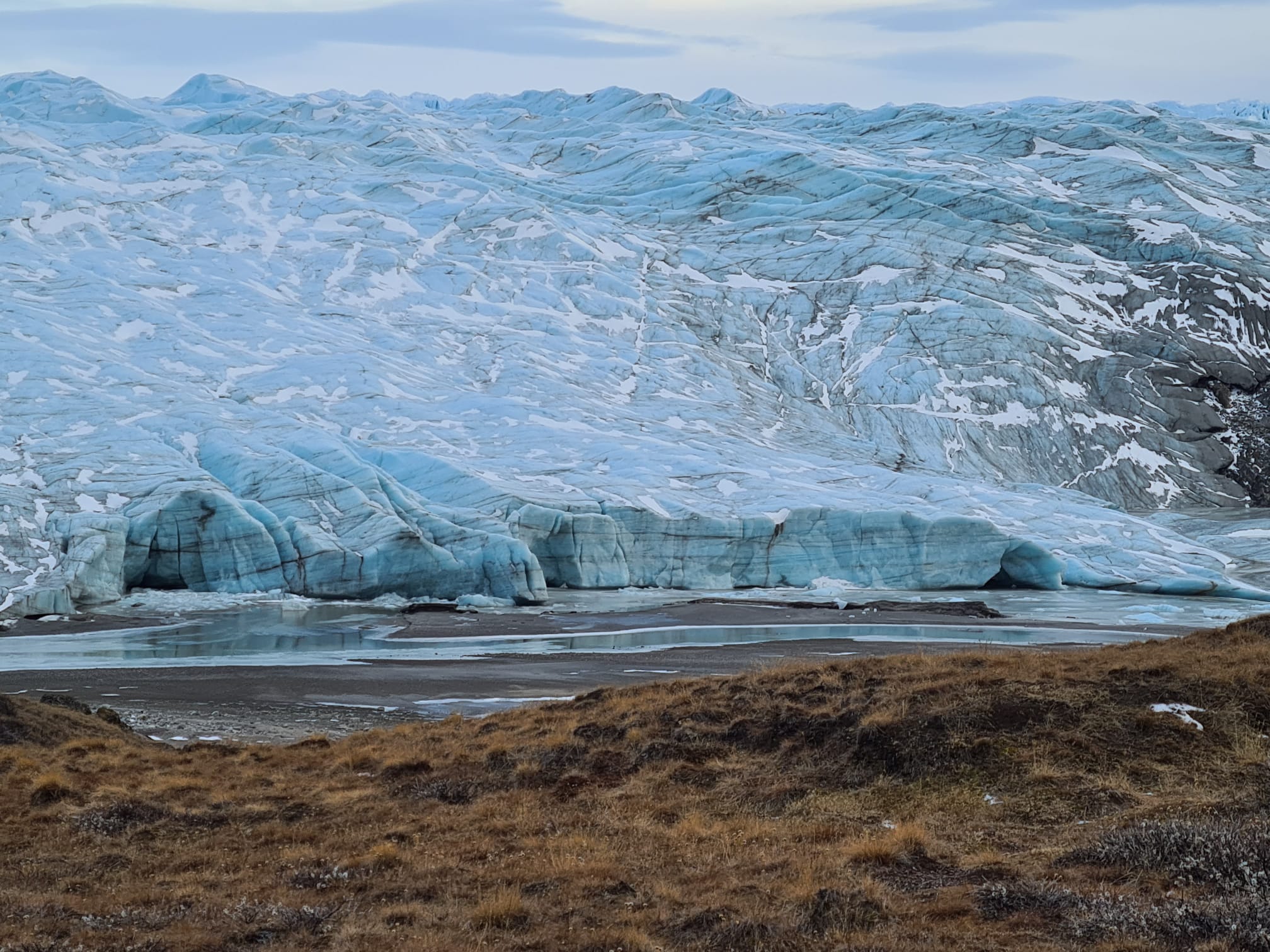
January 2026 has been intense to say the least. International and political balances have been disrupted, leading to new doubts about what the future will look like; and as for other past instances, politics proved to have a pretty strong influence on tourism. Therefore, I don’t think I could have chosen a better theme to start the year: Greenland. Currently under the spotlight for reasons I’ll soon explain, this huge piece of land offers unique naturalistic opportunities, mixed with the chance to dive into Ancient history, like no where else on our planet. If you are a fan of unusual destinations, this article is for you.
The largest island on Earth has an extremely complicated history and a very weird timeline. It’s a land of resources, mostly covered by a thick layer of ice, that was discovered by Europeans only in the 10th century AD. It might seem like a long time ago, but considering that traces of human life, in this remote part of the world, date as far back as 2500 BC, the Europeans took over relatively recently. When the “viking” Erik the Red landed on the island, the pre-inuit Dorset culture had been spreading around the region for over 2 centuries. While these northamerican tribes brought along the use of kayaks, the Europeans introduced farming, at least where possible. These 2 very different populations shared the land for 4 centuries, until the Little Ice Age pushed both of them out of the country.
During hundreds of years when no one dared to come back, only the Thule people permanently established themselves in Greenland. As experienced whale and seal hunters, they are the reason why dog-sledding is still so common, although only in certain areas. Like the Dorset, they were also Inuit, with a culture characterised by the belief in spirits and popular myths, as well as a very strong sense of community. Thanks to the Thule people, the Kalaallisut (or Greenlandic) language started developing, creating the foundations for a local culture… although at the time the land was still considered Danish. In fact, the Nordic settlers (Erik the Red descendants) had deferred back to Norway in 1261 – a land that fell under Denmark’s realm from 1380 all the way to 1814. After the dissolution of this Scandinavian kingdom, Greenland was left in the hands of Denmark, which coincidentally also became my home over a year ago.
During WWII Denmark was occupied by Germany, leading to no contact with Greenland for 5 years: during this short “independent period” Greenland allowed the establishment of US military bases, mainly for protection against the Axis powers. This is also when the Greenlandic Independence movement grew the most, leading first to the Home-Rule Act of 1979 and then to the introduction of self-rule in 2009. Despite the lack of a strong-enough economy, which is why Greenland is still part of the Danish Kingdom, the island has an incredible amount of resources and it occupies a strategic position on the world map. Rare materials fundamental in the fields of nanotechnology, military intelligence and energy production, are hidden under kms of dirt and ice, making their extraction nearly impossible both for social and environmental reasons. Additionally, the melting of the Arctic Circle is slowly allowing for the creation of new shipping routes in the Arctic, meaning that Greenland’s position might soon become central for the world’s economy.
The fact that over 80% of the country is covered in ice has not only made extraction extremely hard, but also kept humans out of the island for centuries. This has allowed for nature to dominate, creating fantastic landscapes and the chance for an experience out of this world. From its capital, Nuuk, you can go on excursions to see the whales, you can go glamping under the Northern Lights, or you can learn about some of the oldest civilizations on Earth. Further north, Ilulissat, “Iceberg city”, offers the chance to see the largest icebergs in the world (outside of Antarctica) and to explore the fjords by boat. And for the more adventurous, you can take on the Arctic Circle Trail: 160km, from Kangerlussuaq to Sisimiut, experiencing wildlife up close and natural wonders, just like the pre-Inuit people did 3 thousand years ago. To truly immerse yourself in the most authentic atmosphere, I suggest travelling there during the summer solstice: a Greenlandic national holiday, with 24 hours of sunlight and various local celebrations, showcasing the traditional Thule culture.
Greenland’s flag represents the ice cap, a sunset over the ocean and icebergs on the horizon. Although there is much more about the country’s history and culture, I don’t think that a better summary exists. Many flags represent values, but Greenland chose nature instead, and that’s just additional proof to what a Great place it is. As Denmark slowly becomes my home, I’m thrilled to help others visit its beauties, both in the mainland and out in the Atlantic. I hope that this article taught you something new and that I could inspire you to travel to remote destinations, just like we did once upon a time.
One response
Summer solstice: nice suggestion!