


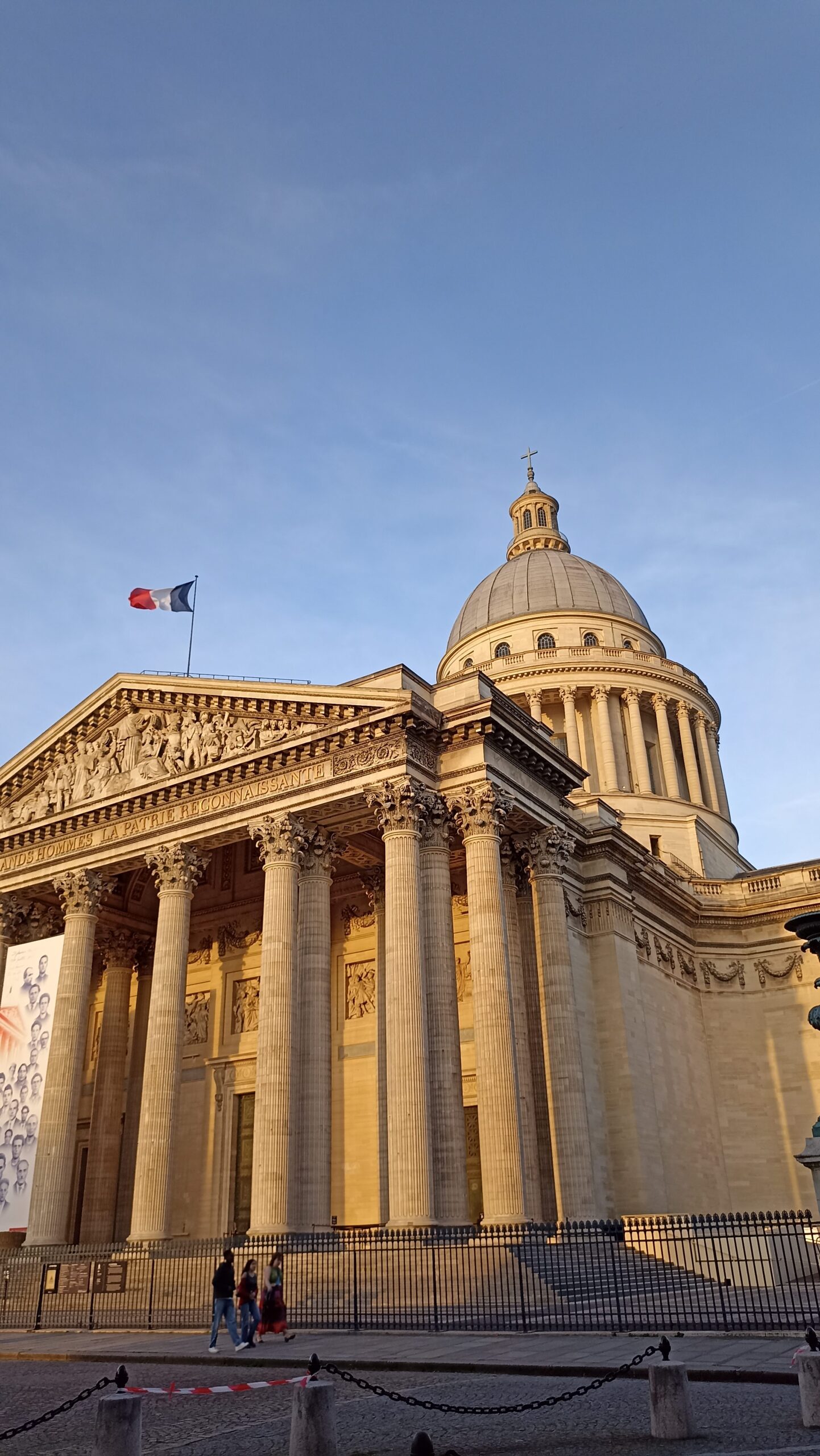
As a European who grew up with the “American Dream”, strongly influenced by the sports culture, my experience in the US wasn’t everything I had hoped for. One of the things that I missed the most while living in the American Midwest, but also while travelling in other US states, was the pedestrian city center of European capitals. I missed being able to walk around historical streets, without having to worry about cars running me over or with a huge walmart in sight. The first time I landed in Kansas City, I soon regretted trying to go for a walk… Anyways, this introduction serves a very different topic, which is that of public transport.
Because of the nature of most European cities, public transport, in particular train travel, has played a significant role in the continent for almost 200 years. Technology has seen a pretty quick progress from steam locomotives to electric lines and more recently high-speed trains. The first public railway opened in England in 1830, connecting Liverpool to Manchester; the idea spread very fast, reaching Germany, Austria, Belgium, Italy and even North America. The US were the first to introduce electric trolleys and they pioneered the use of electricity on a main line. Despite the involvement of many different countries in research and optimization, Europe and North America took very different routes in the 20th century. While cars were chosen as the best way to travel from state to state, European countries became more and more connected through railway networks, and Canada and the US kept their railway lines solely for transportation of goods. Think about this: the Orient Express, connecting Paris to Istanbul, has been running since 1883; and the Trans Siberian, from Moscow to Vladivostok, has been the longest railway line in the world since 1916! Personally, these dates sound insane to me, but the people at the time weren’t initially as fond of the idea as we are now…
There were in fact many theories and myths surrounding train travel in the beginning. People thought the speed could shake them unconscious, or that they wouldn’t be able to breathe. Trains were regarded as devils, demons, or fantastical creatures such as dragons; they were dangerous monsters bringing death and fear among people. Medical reports warned travelers of long-term effects, including insomnia, headaches, deafness, epilepsy and even depression. On top of this, in the countryside people were worried about the animals, fearing that their cows would stop producing milk or that their sheep would become black from the smoke. All of these beliefs were groundless, although the public opinion was also strongly influenced by the news. Death from train crashes was quite common; not as much as from other forms of transportation, but these accidents definitely appeared more catastrophic than anything else. Images included amputations, people burning alive and of course death. This, topped with the tangible effect of these events on daily life, generated a lot of fuss around train travel. Despite this, it’s hard to estimate how many people believed in these myths and how many were simply worried about greediness costing people’s lives.
The World Wars obviously put a stop on the development of the industry. European cities were demolished, losing a big part of their infrastructure and architectural heritage. In the relatively calm period between the Wars, in 1922 the International Union of Railways was created; its strength and purpose weren’t truly served until 1959, when the first Eurail passes were sold, targeting 21 year olds and younger. This proved to be a very successful attempt at bringing international travelers to the reunified and reopened Europe of the 60s, with a single ticket that allowed access to 13 different countries at the time. In 1972, to celebrate the 50th anniversary of the Union, the pass was extended to Europeans, under the name of Interrail. The concept was genius at a time when low-cost flights didn’t exist and young people didn’t really travel much. With a Thomas Cook Continental Timetable at hand to plan their trip, 87,000 Europeans bought the pass in 1972, getting the opportunity to explore the continent for a whole month without spending too much. The pass still exists: it now connects 33 countries, with hundreds upon hundreds of destinations all over Europe.
Times might have changed since the first use of “interrailing” as a verb, but the concept behind it hasn’t varied that much. The pass is about community, the freedom of exploration and the beauty of waking up in a different country everyday. In this sense, one of the tendencies that we are seeing is the resurgence of sleeper trains: despite the higher cost and all the challenges it faces, more lines are being added, in an attempt to redefine how people move. Since the Japanese invention of electric high-speed railway in 1964, that is also a key factor in how train travel has and will evolve. Railway companies are trying to transform sleeper trains into modern and fast options to compete with short-haul flights; this meets the needs of travelers who are more environmentally-conscious than ever, searching for sustainable ways of travelling and more authentic experiences. If you are one of them, here’s a special list of all the new routes to keep in mind for 2026:
- Good Night Train from Brussels to Prague
- Paris to Ravello (Amalfi Coast) – high-end experience!
- Rome to Munich night train – opened in 2025 for the Oktoberfest
- Copenhagen to Berlin and Prague – daylight train
- Germany direct connections to Poland and Lithuania
- Zurich to Florence
- Amsterdam to Milan
I hope this can inspire you to choose a new form of travel this year, supporting an idea based on values of community and accessibility. If you want to learn more about Interrail/Eurail, I’m always available for a chat!
One response
That was a good read, thank you 🙂
I’ll join you on a train trip if you go!